 By Evelyn
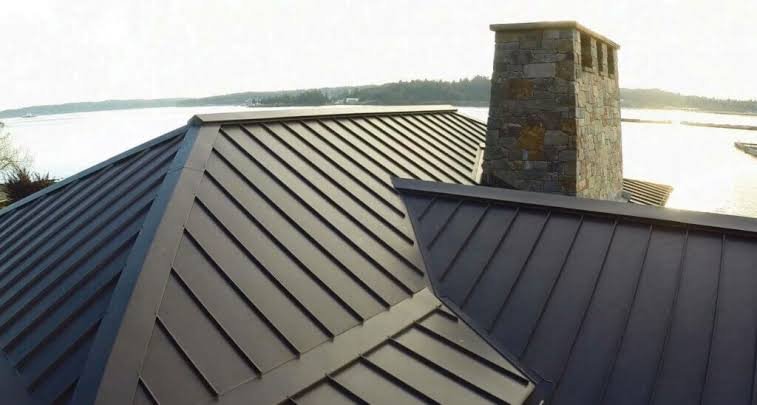
A commercial building is only as reliable as the structure protecting it from the elements. While walls, foundations, and interior systems receive considerable attention, roofing plays an equally important role in maintaining a safe and functional property. Exposure to heavy rain, strong winds, changing temperatures, and environmental conditions can gradually affect a roof’s performance. For commercial property owners, investing in professional metal roofing services offers a practical way to improve durability, strengthen building protection, and reduce unexpected maintenance concerns.
For warehouses, manufacturing complexes, office buildings, and retail sites, metal roofing has grown in popularity. However, the effectiveness of any roofing system depends on more than the materials used. Proper planning, professional installation, and consistent maintenance are essential for achieving dependable performance.
The quality of a metal roofing system begins with installation. Even durable materials can develop problems when roofing components are improperly positioned, secured, or sealed. Poor installation may contribute to water intrusion, loose panels, damaged flashing, and premature deterioration.
Working with an experienced metal roofing company helps commercial property owners address these concerns before they become expensive problems. Professional contractors evaluate the building’s structure, roof slope, drainage requirements, and environmental exposure before recommending suitable materials and installation methods.
Attention to details such as fastener placement, panel alignment, expansion allowances, and flashing connections helps create a roofing system capable of performing reliably under changing conditions. These installation practices also contribute to the overall structural protection of commercial properties.
Commercial buildings frequently experience weather conditions that place significant pressure on roofing systems. Heavy rainfall can expose drainage weaknesses, while strong winds may affect poorly secured roofing materials. Additionally, expansion and contraction brought on by temperature changes can progressively affect roofing performance.
When correctly specified and installed, metal roofing systems are made to endure harsh weather conditions. their durable surfaces help shed precipitation, while suitable fastening systems and properly constructed seams can improve resistance to wind and moisture.
Professional roofing contractors consider local weather patterns when selecting materials and installation techniques. This approach helps property owners choose roofing solutions that meet their building’s requirements rather than relying on a general installation method.
Unexpected roofing problems can interrupt commercial operations and create additional financial responsibilities. Water leaks may damage equipment, inventory, insulation, and interior finishes. When roofing issues remain unresolved, relatively minor defects can develop into more complicated repairs.
Professional metal roofing services help property owners establish preventive maintenance practices that support continued roof performance. Routine inspections can identify loose fasteners, deteriorating sealants, damaged flashing, drainage obstructions, and early signs of corrosion.
Addressing these concerns promptly can reduce the likelihood of extensive damage. A properly maintained metal roof may also provide a longer service life, allowing businesses to plan roofing expenses more effectively.
Energy efficiency has become an important consideration for commercial property management. Roofing materials influence how buildings absorb and reflect solar heat, which can affect indoor temperatures and cooling requirements.
Certain metal roofing products feature reflective finishes that help reduce solar heat absorption. When combined with appropriate insulation and ventilation, these systems can contribute to improved thermal performance.
However, energy savings depend on several factors, including climate, building design, roof color, insulation levels, and existing mechanical systems. Professional contractors can assess these conditions and recommend roofing options that support the property’s energy performance objectives.
For businesses operating large facilities, thoughtful roofing decisions can become part of a broader strategy for managing operational expenses and maintaining comfortable indoor environments.
Not every commercial building has identical roofing requirements. A warehouse may prioritize broad roof coverage and weather resistance, while an office complex may require a system that balances architectural appearance with practical performance. Industrial facilities may have additional considerations involving rooftop equipment, ventilation systems, and maintenance access.
An established metal roofing company can evaluate these differences and recommend appropriate roofing systems. Standing seam panels, exposed fastener systems, and other commercial metal roofing options each offer distinct characteristics.
Selecting the right system requires consideration of structural capacity, roof geometry, expected service life, maintenance requirements, and available budgets. Professional guidance helps property owners understand these factors before committing to a roofing project.
Commercial roofing is not simply a construction expense. It represents an investment in the property’s condition, operational reliability, and long-term usefulness.
A well-maintained roofing system helps protect interior spaces from moisture damage and supports the continued functionality of building components. It may also improve the property’s appeal to prospective tenants, buyers, and commercial investors.
Scheduled inspections, timely repairs, and accurate maintenance records demonstrate responsible property management. These practices can help owners make informed decisions about future repairs, improvements, and eventual roof replacement.
Strong commercial buildings require roofing systems that deliver dependable protection throughout changing seasons and demanding operating conditions. Metal roofing offers durability, design flexibility, and potential energy efficiency advantages, but professional expertise remains essential to achieving these benefits.
From material selection and installation to inspections and preventive maintenance, experienced roofing professionals help businesses protect their facilities and manage long-term roofing responsibilities. Choosing qualified metal roofing services is an important step toward creating safer, stronger, and more resilient commercial properties.
