 By Evelyn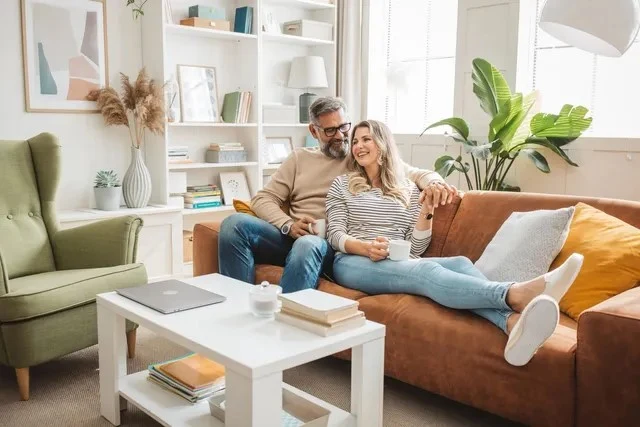
The spaces we live in have a powerful influence on how we think, feel, and behave. A well organized and welcoming home does more than improve appearance. It supports healthier routines, better focus, stronger relationships, and a greater sense of calm. When a living space is designed with comfort and purpose in mind, positive habits become easier to maintain.
Creating a comfortable home is not about expensive renovations or following every design trend. It is about making intentional choices that encourage everyday behaviors that improve quality of life.
Design Spaces Around Daily Activities
Every room should support the activities that take place within it. A clutter free kitchen encourages healthier meal preparation, while a comfortable reading corner makes it easier to spend time away from digital devices. A well arranged workspace improves concentration and productivity, reducing unnecessary distractions.
When people create environments that match their daily goals, those goals become easier to achieve because the surroundings naturally support positive routines.
Reduce Clutter to Reduce Stress
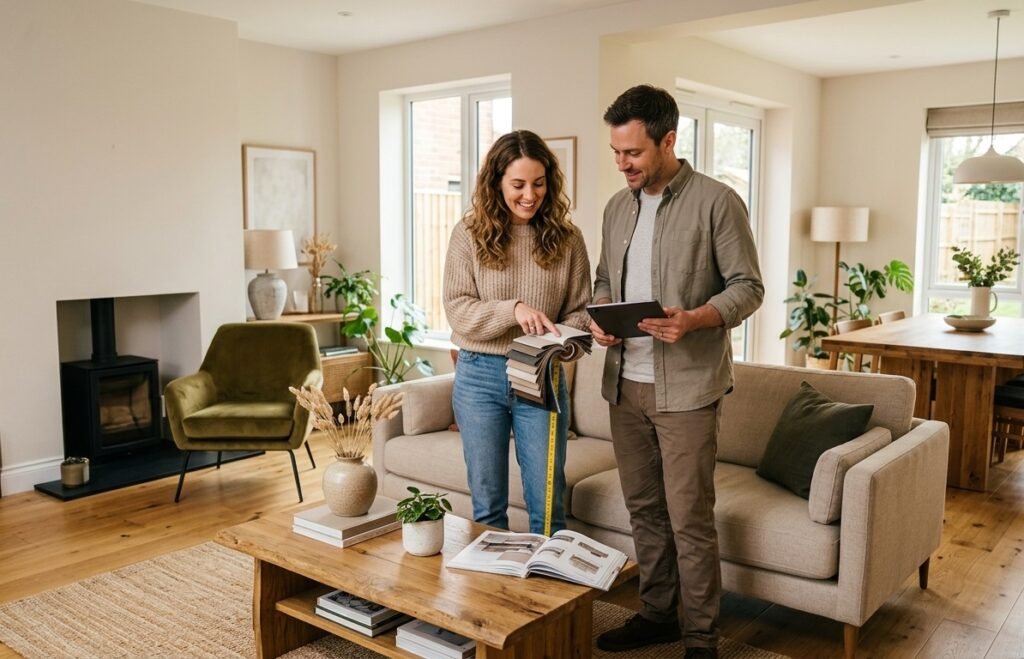
Clutter often creates visual distractions that increase stress and make everyday tasks feel overwhelming. Keeping only useful and meaningful items helps create a calmer atmosphere while making cleaning and Organization much simpler.
Simple storage solutions, regular decluttering sessions, and designated places for everyday belongings allow households to function more smoothly. Many people who follow business news australia also recognize that organized environments improve efficiency both at home and in professional settings.
Use Natural Light Whenever Possible
Natural light has a positive effect on mood, energy, and overall wellbeing. Opening curtains during the day, arranging furniture near windows, and selecting lighter interior colors can make rooms feel larger and more inviting.
Bright spaces also encourage productivity and reduce feelings of fatigue. Even adding mirrors to reflect daylight can significantly improve the atmosphere of smaller rooms without major renovation costs.
Create Comfortable Areas for Relaxation
A home should provide opportunities to disconnect from daily pressures. Comfortable seating, soft lighting, calming colors, and minimal distractions create spaces where people can unwind after busy days.
Whether it is a reading chair, meditation corner, or quiet patio, dedicated relaxation spaces help establish routines that support emotional health and reduce stress levels.
Professionals involved in business consulting australia often emphasize that maintaining personal wellbeing outside work contributes to better decision making, improved creativity, and long term success.
Encourage Healthy Family Habits
Living spaces can also strengthen family relationships. Dining tables free from electronic devices encourage meaningful conversations during meals. Shared activity areas promote games, hobbies, and collaborative projects that bring family members together.
Children especially benefit from organized environments where books, educational materials, and creative supplies remain easily accessible. These surroundings naturally encourage learning and curiosity throughout everyday life.
Many lifestyle articles featured through a news blog guest post discuss how intentional home environments positively influence communication and family wellbeing.
Choose Practical Over Trendy
Home design trends constantly change, but functionality always remains valuable. Durable furniture, flexible layouts, and quality materials continue serving households long after popular styles disappear.
Selecting pieces that meet actual daily needs creates lasting comfort while reducing unnecessary spending. Practical homes are easier to maintain and adapt as family needs evolve over time.
Simple improvements such as better storage, ergonomic furniture, and multi purpose rooms often deliver greater long term satisfaction than decorative upgrades alone.
Make Wellness Part of the Environment
Healthy habits become easier when the environment supports them. Keeping fresh fruit visible encourages healthier eating. Placing exercise equipment in accessible areas increases physical activity. Organizing bedrooms for restful sleep improves nightly routines.
Indoor plants, proper ventilation, and clean air also contribute to healthier living conditions. Small environmental improvements consistently influence everyday choices more than many people realize.
Current business trends Australia 2026 increasingly recognize the connection between employee wellbeing, home working environments, and long term productivity, reflecting the growing importance of thoughtfully designed living spaces.

Stay Inspired by New Ideas
Improving a home does not require completing every project at once. Small adjustments made consistently often create the greatest long term results. Reading home improvement resources, gathering organization ideas, and exploring an australian business directory for local suppliers and service providers can provide valuable inspiration when planning future improvements.
Thoughtful changes made gradually allow homeowners to build spaces that truly reflect their lifestyle and personal priorities.
Conclusion
Comfortable living spaces are built through intentional choices that support healthier habits every day. Organization, natural light, functional layouts, and relaxing environments all contribute to improved physical and mental wellbeing. Rather than chasing temporary design trends, focusing on comfort, simplicity, and purpose creates homes that encourage positive routines for years to come. A thoughtfully designed living space becomes more than a place to live. It becomes a foundation for healthier habits, stronger relationships, and a more balanced life.