 By Evelyn
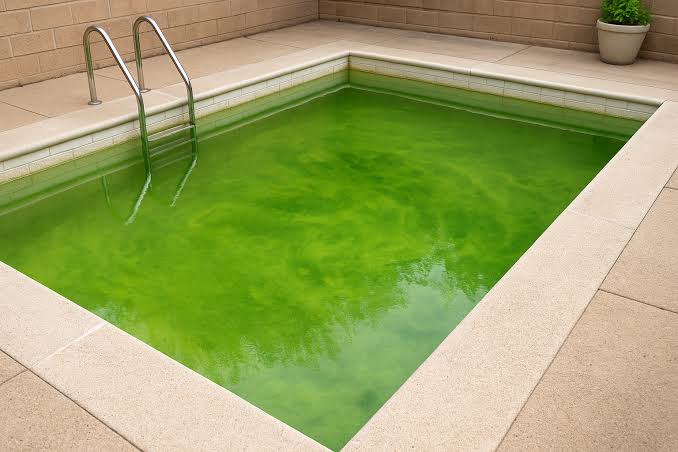
A swimming pool can quickly lose its appeal when the water becomes cloudy, algae begins spreading, or the filtration system stops performing efficiently. These problems often develop gradually, making them difficult to recognize until they require significant attention. Maintaining a healthy swimming environment involves more than removing visible debris. Water chemistry, circulation, filtration, and equipment condition all influence pool performance. Understanding common maintenance challenges helps pool owners prevent unnecessary repairs, maintain water quality, and enjoy a cleaner swimming experience throughout the year.
Algae growth is among the most frustrating problems pool owners encounter. These microscopic organisms thrive when sanitizer levels are inadequate, circulation is poor, or water conditions become favorable for their development. Green algae commonly causes discoloration, while other varieties can create stubborn patches along pool surfaces.
Preventing algae requires consistent attention to water chemistry and circulation. Regular brushing removes buildup from walls, steps, and corners where water movement may be limited. Maintaining appropriate chlorine levels also helps prevent algae from multiplying.
Professional local pool maintenance can provide additional support through routine water testing, surface cleaning, and equipment inspections. Identifying early signs of algae growth allows corrective measures before contamination spreads throughout the pool.
Balanced water chemistry is essential for swimmer comfort, effective sanitation, and equipment protection. When chemical levels move outside recommended ranges, pool water may become irritating, cloudy, or corrosive.
Pool owners should regularly monitor pH, total alkalinity, sanitizer concentration, and calcium hardness. A pH level between 7.2 and 7.8 is generally recommended for swimming pools, although specific equipment and treatment systems may have additional requirements.
Low pH can contribute to corrosion and surface damage, while excessively high pH may encourage scaling and reduce chlorine effectiveness. Improper alkalinity can also make pH difficult to stabilize.
Testing water frequently and making gradual chemical adjustments helps maintain consistency. Chemicals should always be handled according to manufacturer instructions, and incompatible products should never be mixed.
Cloudy pool water often indicates underlying maintenance problems rather than simple surface contamination. Fine particles, inadequate filtration, poor circulation, and unbalanced chemistry can all reduce water clarity.
The first step involves checking sanitizer levels and evaluating filtration performance. Dirty filter cartridges, clogged baskets, or restricted water movement may prevent suspended particles from being removed effectively.
Discoloration can also result from metals, organic debris, or algae. Identifying the cause is important because different problems require different treatment methods.
Rather than adding multiple chemicals without testing, pool owners should investigate the source of the problem. A systematic approach prevents unnecessary chemical use and reduces the likelihood of recurring cloudiness.
A filtration system plays a central role in maintaining clean swimming water. Pumps move water through the filtration equipment, allowing debris and suspended particles to be removed before water returns to the pool.
When circulation becomes inadequate, certain areas may receive insufficient sanitizer distribution. These stagnant zones can encourage algae development and allow contaminants to accumulate.
Regular maintenance includes emptying skimmer baskets, checking pump performance, cleaning filters according to manufacturer recommendations, and inspecting return jets.
Unusual pump noises, reduced water flow, or increasing filter pressure may indicate developing equipment problems. Addressing these warning signs early can prevent more expensive mechanical failures.
Leaves, insects, pollen, and other organic materials continuously enter outdoor swimming pools. When debris remains in the water, it increases the demand for sanitizer and may contribute to staining or cloudy conditions.
Routine skimming and vacuuming help remove contaminants before they break down. Cleaning the waterline also prevents oils, sunscreen residue, and other substances from accumulating on pool surfaces.
Surrounding landscaping can influence maintenance requirements. Trees and flowering plants may increase debris levels, particularly during seasonal changes.
Using a properly fitted pool cover when appropriate can reduce contamination and simplify cleaning responsibilities.
Pool equipment often shows subtle warning signs before a major breakdown occurs. Small leaks, fluctuating pressure readings, unusual vibrations, and inconsistent water circulation should not be ignored.
Inspecting visible plumbing connections, pump seals, and filtration components helps identify deterioration. Pool owners should also monitor unexpected changes in water levels, which may indicate leakage rather than normal evaporation.
Electrical repairs and complicated mechanical issues should be handled by qualified professionals. Preventive inspections support equipment reliability while reducing the risk of unexpected interruptions.
Effective pool maintenance depends on recognizing problems early and addressing their underlying causes. Algae growth, chemical imbalance, cloudy water, and filtration difficulties are often connected, meaning neglecting one issue can create additional complications. Consistent cleaning, accurate water testing, proper circulation, and timely equipment inspections help maintain safe swimming conditions. By following a structured maintenance routine, pool owners can protect their investment, reduce avoidable repair expenses, and enjoy clearer, more comfortable water throughout the swimming season.