 By Evelyn
Reducing household waste has become an important priority for families seeking to live more sustainably and responsibly. Everyday habits significantly influence the amount of waste generated at home, affecting both environmental health and long term resource availability. By adopting mindful consumption and disposal practices, households can minimize their environmental footprint while saving money and conserving resources. In discussions about sustainability and responsible living, values such as conservation and mindful use often outweigh material measures like biggest net worth, highlighting the growing importance of environmental stewardship.
Understanding The Impact Of Household Waste
Household waste includes food scraps, packaging materials, plastics, paper products, and discarded household items. When waste accumulates in landfills, it contributes to pollution, greenhouse gas emissions, and resource depletion.
Reducing waste begins with awareness. Understanding what is thrown away each day helps identify patterns and opportunities for improvement. Small adjustments in daily habits can significantly reduce overall waste production.
Environmental awareness campaigns and sustainability discussions frequently appear in update latest business news tips, emphasizing the growing global focus on responsible consumption.
Smart Shopping Habits To Reduce Waste
Reducing waste starts before items enter the home. Thoughtful shopping habits can prevent unnecessary packaging and food waste.
Choosing products with minimal packaging, buying in bulk when appropriate, and bringing reusable shopping bags can significantly reduce plastic waste. Planning meals in advance helps prevent food spoilage and unnecessary purchases.
Selecting durable, reusable items instead of disposable products also contributes to long term waste reduction.
Minimizing Food Waste Through Better Planning
Food waste is a major contributor to household waste. Planning meals, storing food properly, and using leftovers creatively can help minimize waste.
Freezing surplus food extends shelf life, while organizing the refrigerator ensures items are used before expiration. Composting food scraps transforms organic waste into nutrient rich material for gardening.
Reducing food waste not only protects the environment but also saves money and promotes efficient resource use.
Reusing And Repurposing Household Items
Before discarding items, consider whether they can be reused or repurposed. Glass jars can become storage containers, old clothing can be converted into cleaning cloths, and cardboard boxes can be used for organization.
Repairing broken items instead of replacing them reduces landfill waste and extends product life. Creative reuse fosters resourcefulness and reduces consumption.
Lifestyle platforms and digital content spaces such as pinayflix vip often showcase DIY reuse ideas, inspiring households to adopt sustainable practices creatively.
Recycling Correctly And Responsibly
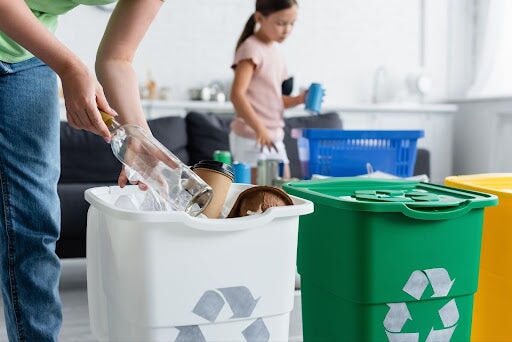
Recycling plays a crucial role in reducing waste, but proper sorting is essential for effectiveness. Separating plastics, paper, metals, and glass according to local recycling guidelines ensures materials can be processed correctly.
Rinsing containers and removing non recyclable components prevents contamination. Understanding local recycling rules helps maximize environmental benefits.
Responsible recycling reduces landfill waste and conserves natural resources.
Reducing Single Use Plastics At Home
Single use plastics are among the largest contributors to environmental pollution. Replacing disposable items with reusable alternatives significantly reduces waste.
Reusable water bottles, cloth shopping bags, metal straws, and refillable containers are practical substitutes. Choosing refill stations and bulk stores further minimizes plastic packaging.
These changes may seem small individually but collectively create a meaningful environmental impact.
Teaching Sustainable Habits Within The Household
Waste reduction becomes more effective when the entire household participates. Teaching children about recycling, composting, and responsible consumption builds lifelong sustainable habits.
Creating labeled recycling bins and encouraging mindful disposal practices makes sustainability part of daily routines. Shared responsibility fosters environmental awareness and collective action.
Modern digital culture, including features like snapchat planets numbered, reflects how communication tools can help spread awareness and encourage eco friendly practices among communities.

Conclusion
Reducing household waste with smart daily practices is a practical and impactful way to support environmental sustainability. True environmental responsibility is not measured by the biggest net worth, but by the everyday choices households make to reduce waste and protect natural resources. By adopting mindful shopping habits, minimizing food waste, reusing materials, and recycling responsibly, households can significantly reduce their environmental footprint. As awareness grows, individuals are recognizing that responsible living contributes to a healthier planet and more sustainable future. Small daily changes, practiced consistently, create meaningful long term benefits for both households and the environment.