 By Evelyn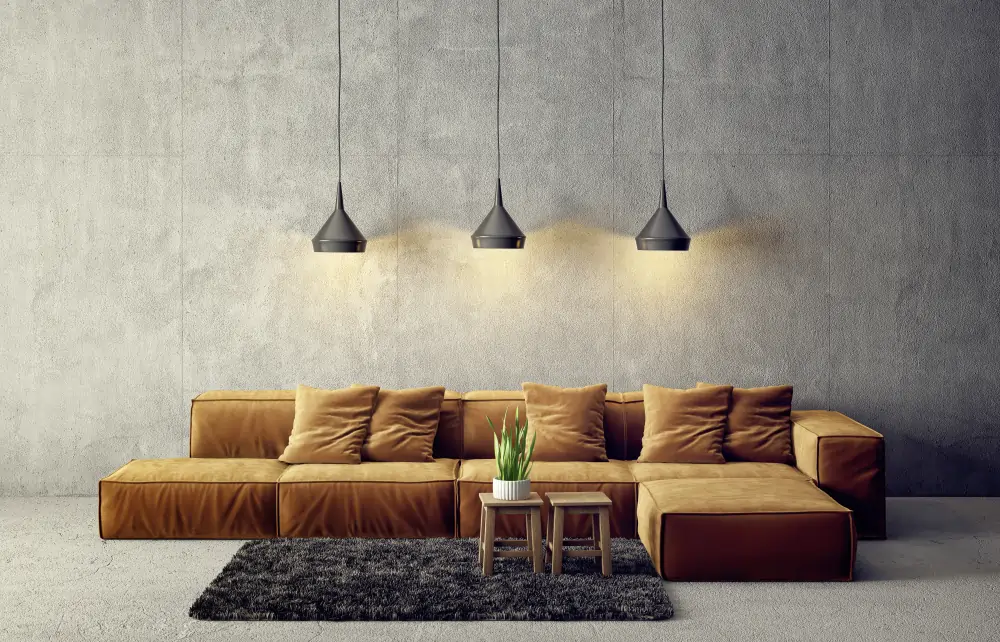
When people think about home design, they often focus on furniture, color schemes, and decor. However, one of the most powerful yet overlooked elements is lighting. It has the ability to completely transform how a space looks and feels. Even during everyday moments like browsing Biharrtpsservice, the environment around you plays a role in your comfort and focus. Lighting is not just functional, it shapes mood, perception, and overall living experience.
The Power Of First Impressions
Lighting is one of the first things people notice when they enter a room, even if they are not consciously aware of it. A well lit space feels welcoming, while poor lighting can make even the most beautifully designed room feel dull.
Soft, warm lighting can create a cozy atmosphere, while bright lighting can make a space feel energetic and open. The right lighting sets the tone before any furniture or decor is noticed.
This makes lighting a key factor in creating strong first impressions.
Enhancing Space And Depth
Lighting has the ability to change how space is perceived. It can make small rooms feel larger and large rooms feel more intimate.
Strategic placement of lights highlights certain areas while creating shadows that add depth. This balance enhances the overall design of the space.
For example, while engaging in activities like join my blooket, a well lit room can improve focus and reduce strain, making the experience more comfortable.
Lighting is not just about visibility, it is about shaping how we experience space.
Creating Mood And Atmosphere
One of the most important roles of lighting is setting the mood. Different types of lighting can evoke different emotions.
Warm lighting creates a relaxing and comfortable environment, ideal for living rooms and bedrooms. Cooler lighting is more suitable for workspaces and kitchens where clarity and focus are needed.
Just as platforms like make1mluxury.com showcase visually appealing spaces, lighting plays a crucial role in achieving that level of sophistication and ambiance.
By adjusting lighting, homeowners can easily change the atmosphere of a room without altering its design.
Highlighting Design Features
Lighting can be used to draw attention to specific elements within a home. Artwork, architectural details, and decorative pieces can all be enhanced through proper lighting.
Accent lighting helps highlight these features, making them stand out and adding character to the space. Without proper lighting, even the most beautiful design elements can go unnoticed.
This ability to emphasize details makes lighting a powerful design tool.

Improving Functionality
Beyond aesthetics, lighting also improves functionality. Different areas of a home require different types of lighting based on their purpose.
Task lighting is essential for activities like reading, cooking, or working. Ambient lighting provides general illumination, while accent lighting adds depth and interest.
Even while exploring creative concepts on platforms like https://theunsentmessageprojects.com/, having proper lighting enhances focus and comfort, making activities more enjoyable.
Functional lighting ensures that spaces are both practical and visually appealing.
The Impact On Well Being
Lighting has a direct impact on well being. Natural light, in particular, plays a significant role in improving mood and energy levels.
Poor lighting can lead to eye strain, fatigue, and reduced productivity. On the other hand, well designed lighting supports both physical and mental health.
Incorporating natural light along with well planned artificial lighting creates a balanced and healthy environment.
Energy Efficiency And Sustainability
Modern lighting solutions also contribute to energy efficiency. LED lights and smart lighting systems reduce energy consumption while providing better illumination.
These solutions not only lower electricity costs but also support sustainable living. Smart lighting allows homeowners to control brightness and usage, optimizing both comfort and efficiency.
Lighting is no longer just about design, it is also about responsible living.
Flexibility And Adaptability
One of the greatest advantages of lighting is its flexibility. Unlike furniture or structural changes, lighting can be adjusted easily to suit different needs.
Dimmer switches, adjustable fixtures, and smart controls allow homeowners to modify lighting based on time of day or activity.
Even during casual moments like browsing dazcfutbol, the ability to adjust lighting enhances comfort and overall experience.
This adaptability makes lighting a dynamic element in home design.
Combining Different Lighting Layers
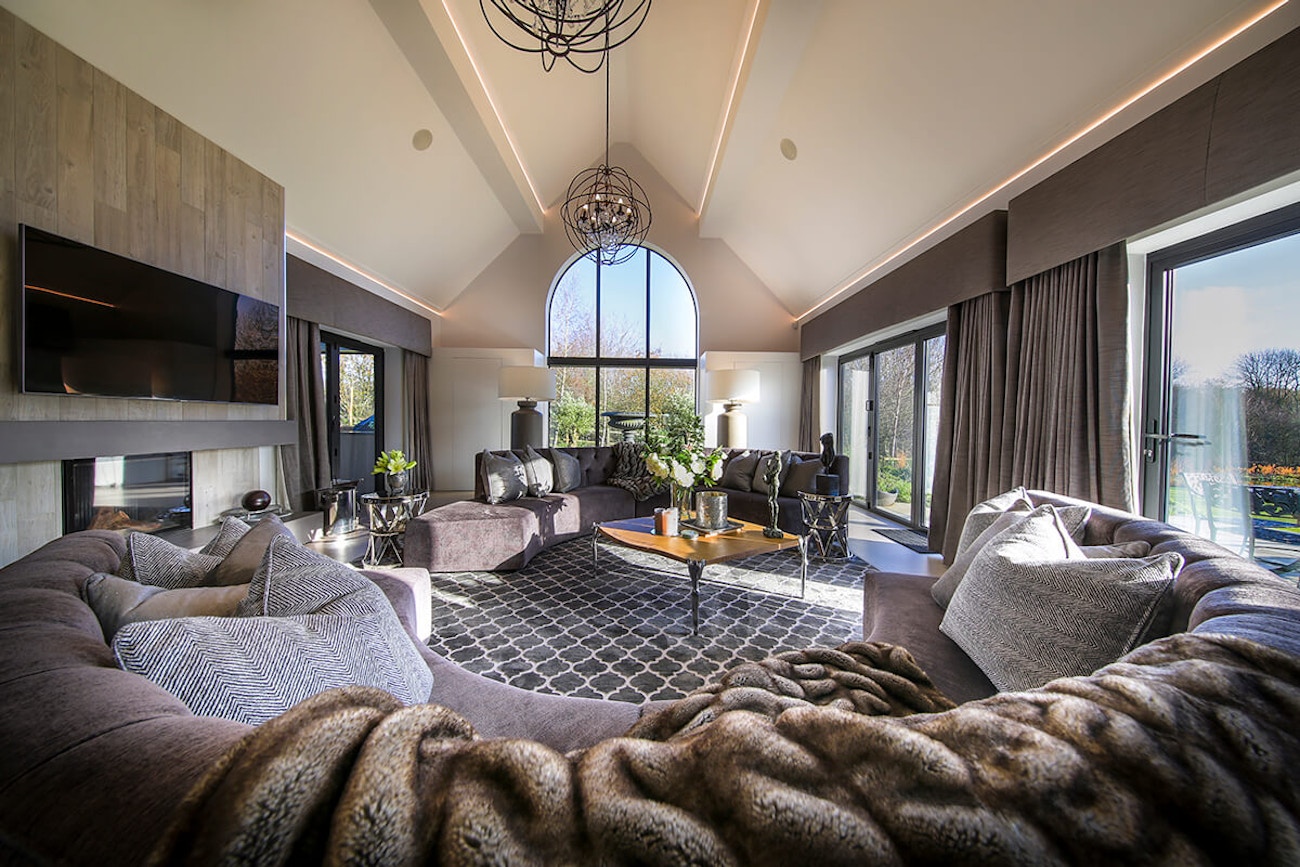
Effective home design often involves layering different types of lighting. Combining ambient, task, and accent lighting creates a balanced and visually appealing environment.
Layered lighting adds depth and dimension, making spaces feel more complete. It allows homeowners to customize their environment based on mood and function.
This approach ensures that lighting is both practical and aesthetically pleasing.
Conclusion
Lighting is one of the most underrated elements in home design, yet it has the power to transform spaces in remarkable ways. From enhancing mood and functionality to improving well being and energy efficiency, its impact is far reaching. By understanding and utilizing lighting effectively, homeowners can create spaces that are not only beautiful but also comfortable and practical. In the end, it is not just about what you see in a room, but how the lighting makes you feel within it. Recognizing the importance of lighting is the key to unlocking the full potential of any home.